

Bridging Gaps in the Parkinson’s Experience
While many Parkinson’s organizations focus primarily on research towards finding a cure, PRI is focused on improving the experience of living with the disease. Too many patients and care partners face gaps in support, barriers to top tier care, and wide discrepancies in resources from one community to another. We aim to build a more consistent, connected, and supportive Parkinson’s journey, one that fosters personal resilience, expands access to expertise, and improves quality of care at every stage.
Parkinson’s Pilot™
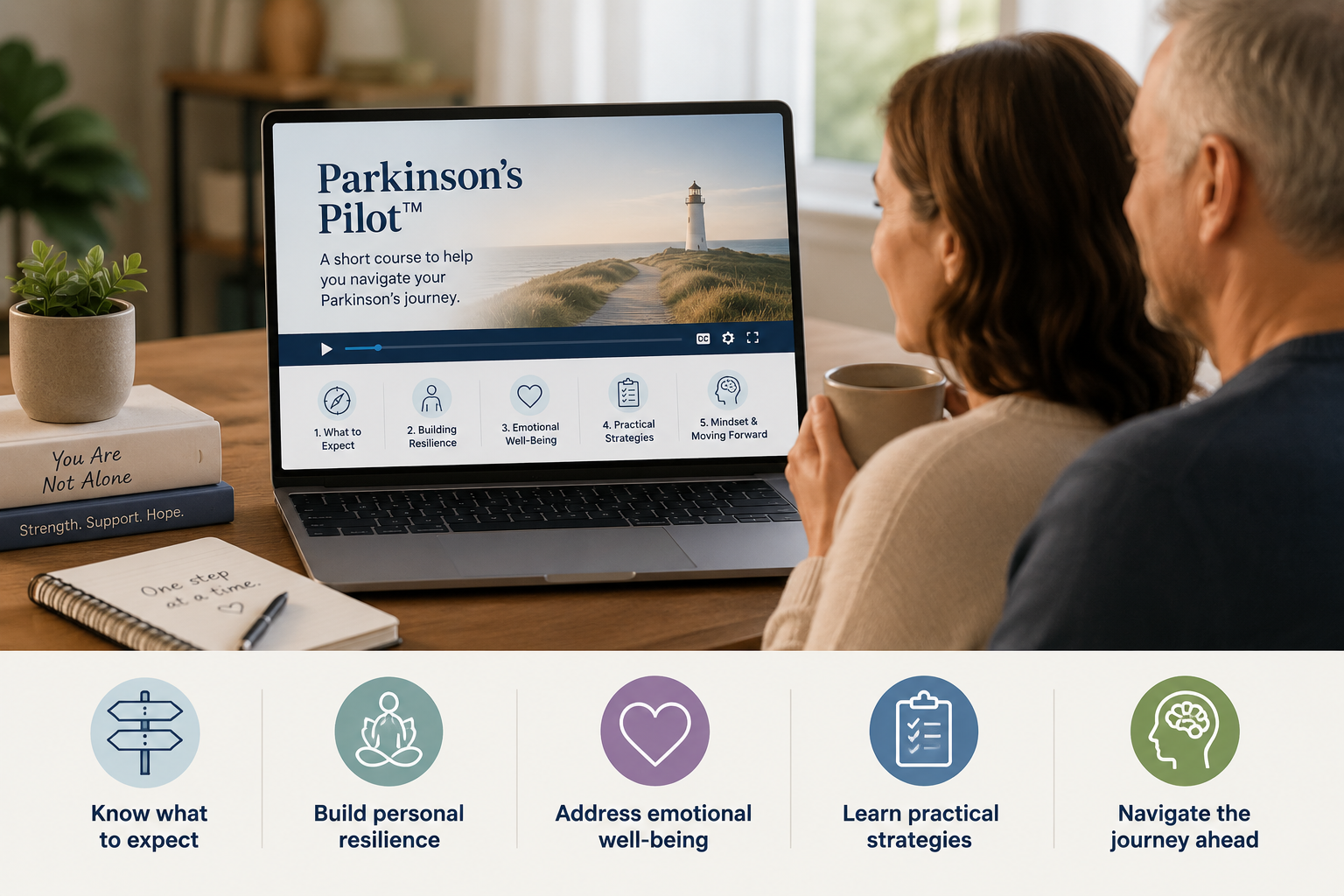
Parkinson’s Pilot is a short video course primarily for newly diagnosed patients and their care partners that teaches them what to expect, helps them develop personal resilience, and guides them through the emotional, practical, and psychological realities of a Parkinson’s diagnosis.
Through a series of simple yet thoughtful video lessons, Parkinson’s Pilot will address topics such as understanding the full Parkinson’s disease spectrum, managing uncertainty, navigating care, maintaining emotional well-being, communicating with others, and building a strong support system. Our goal is not simply to provide information, but to help people feel more grounded, informed and connected.
Projected Launch: Q4 2026
Education and Advocacy
The Institute will publish papers and articles about living with the disease, the importance of emotional resilience, the value of support groups led by trained facilitators, closing gaps in care, eliminating MDS deserts, and other topics relevant to the PRI mission, for individual, medical and institutional audiences.
It will also create short-form videos and other digital experiences, form alliances with medical research institutions and major advocacy organizations, and present the PRI case at local, regional and national conferences.
Support Group Facilitator Training and Certification

While many support groups already exist, access is limited in many communities, and there’s no real consistency in how they’re conducted.
The Resilience Group Facilitator Certification program is a structured, thoughtful framework to create high-quality Parkinson’s support experiences grounded in psychological safety, meaningful connection, consistency, and long-term continuity.
The goal is to offer a nationally recognized credential based on widely accepted best practices.
Projected Launch: Q2 2027
Parkinson’s Resilience Group Network

Through PRI Certified Resilience Group Facilitators, the Institute will build a network of facilitated online and in-person groups led with confidence, clarity, and purpose, that participants can rely on as their Parkinson’s journey progresses.
PRI will maintain a searchable online directory of facilitated groups.
The network will be supported with continuing education, information sharing, and periodic events to strengthen group effectiveness.

Parkinson’s Early Detection Framework
The Parkinson's Early Detection Framework (PEDF) is a clinical rubric that provides guidance for healthcare professionals practicing outside neurology regarding:
Potential prodromal manifestations of Parkinson's disease
Appropriate screening questions
Referral triggers
Communication pathways
Documentation practices
PEDF applies when a patient enters the healthcare system through an adjacent specialty rather than through neurology. The framework helps clinicians answer a simple question:
Could the symptoms I am treating today represent part of a broader Parkinson's-related spectrum?
Importantly, the framework does not ask specialists to diagnose Parkinson's disease. Its purpose is to support recognition and referral.
Specialty Roles in Early Detection
Some (but not all) healthcare specialties regularly encounter symptoms that may be part of the Parkinson's spectrum:
Sleep Medicine: May identify REM sleep behavior disorder (RBD), one of the strongest known predictors of future synucleinopathy.
Urology & Pelvic Health: Often sees urinary, sexual, and pelvic autonomic symptoms that can precede diagnosis.
Gastroenterology: Frequently encounters constipation and other gastrointestinal changes associated with early Parkinson's.
Cardiology: May detect orthostatic hypotension and other forms of autonomic cardiovascular dysfunction.
Ophthalmology & Optometry: Can observe visual changes that are increasingly recognized as potential Parkinson's biomarkers.
Otolaryngology (ENT): Loss of smell is a common early symptom that may appear years before diagnosis.
Psychiatry & Behavioral Health: Depression, anxiety, apathy, and cognitive changes can occur during the prodromal phase.
Primary Care: Often sees multiple early symptoms together and plays a key role in recognition and referral.
PEDF eliminates many of the barriers to patient understanding and creates an environment for more effective treatment through collaboration.
Parkinson’s Care Clusters
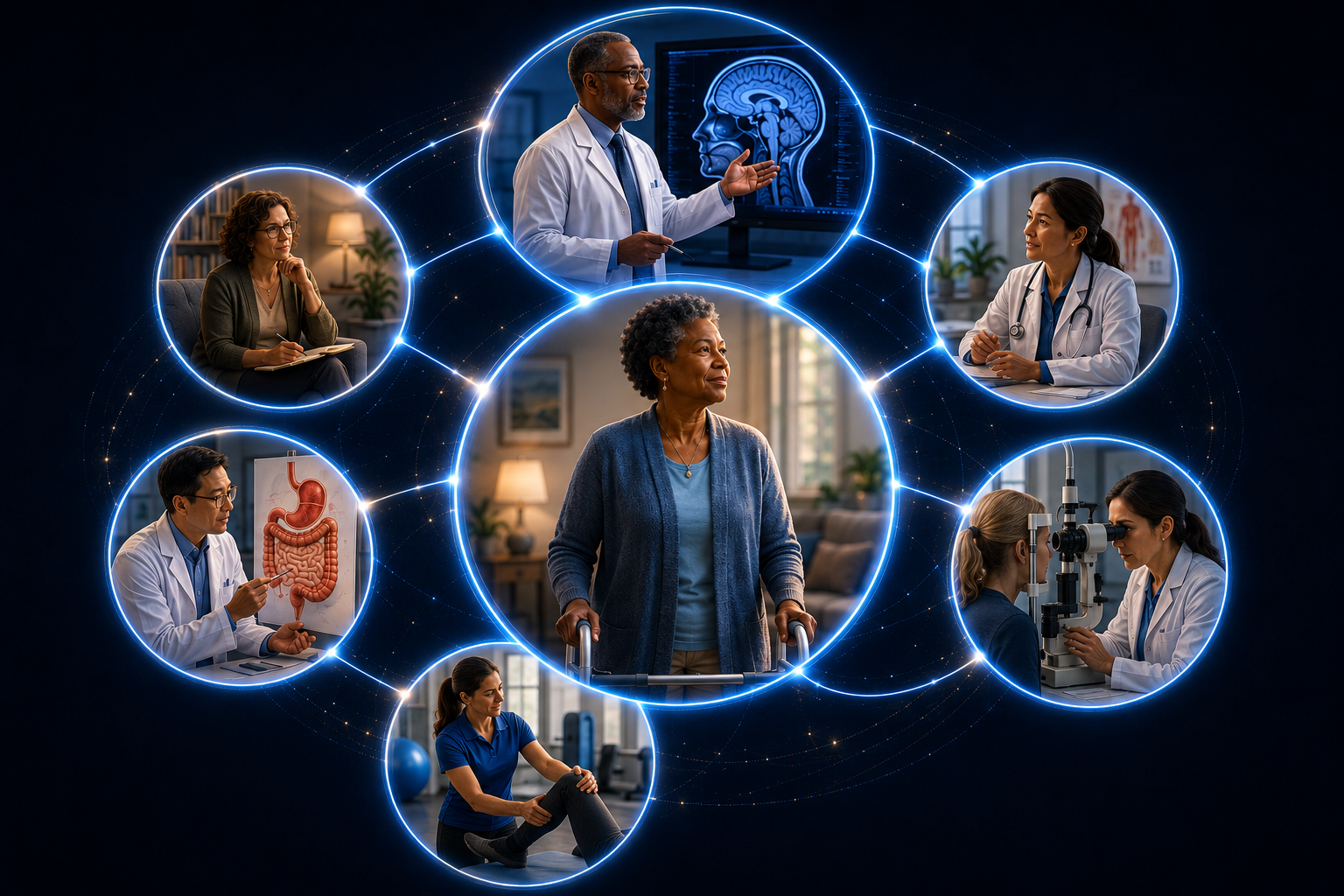
Care Clusters are local networks of healthcare providers who share a common understanding of Parkinson’s and collaborate to improve identification, referral, and treatment across the full spectrum of symptoms.
Through CME-based education, primary care physicians, urologists, sleep specialists, ophthalmologists, gastroenterologists, and other medical specialists will be trained to recognize Parkinson’s-related signs and use a simple screening regimen to determine whether referral to a neurologist is warranted.
Conversely, when neurologists refer their PD patients out to other specialists, they will know these doctors have specific knowledge of non-motor symptoms as part of the spectrum. Care Clusters will also include support professionals such as physical and occupational therapists, psychologists, exercise coaches and others.
The Care Cluster approach will help embed Parkinson’s expertise throughout the healthcare system and promote earlier recognition, more coordinated care, and better outcomes.
Parkinson’s Care Navigators

In oncology and certain other fields, care navigators have emerged as a proven approach for helping patients and families navigate the challenges that accompany a serious diagnosis. The success of cancer care navigation has highlighted the importance of providing patients with personalized guidance, support, and continuity throughout their care journey.
We’re developing a similarly modeled nationwide network of Parkinson’s Navigators to help patients coordinate appointments, understand treatment options, access resources and support services, overcome logistical and financial barriers, and navigate the complexities of the healthcare system throughout their Parkinson’s journey.
Expanding the MDS Workforce
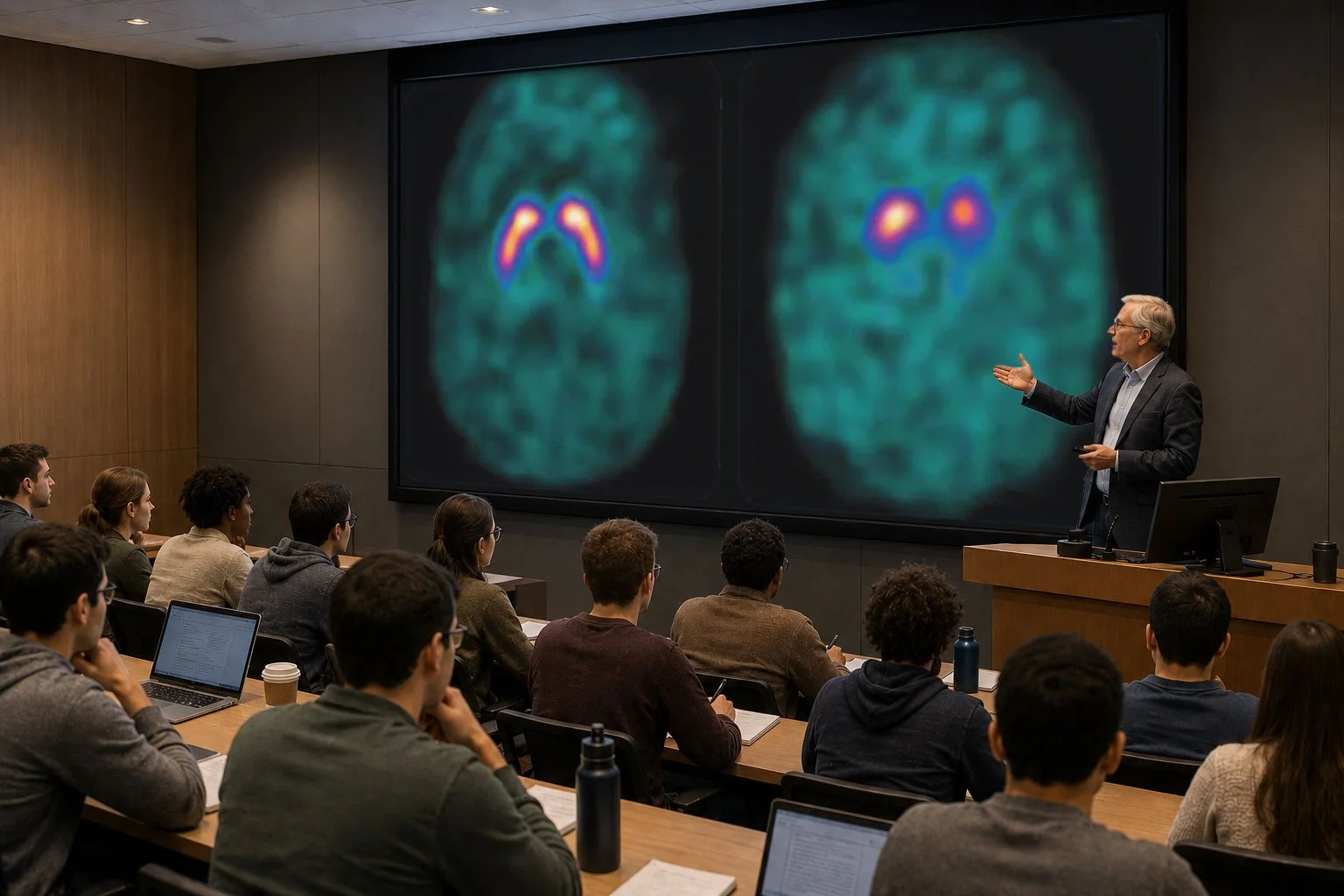
To address the shortage of MDS doctors, the Institute will help develop programs to train and recruit medical students into the movement disorder field and to advocate for systems that support the MDS discipline in schools, hospitals and the clinical setting.
Efforts may include incentives for specialists to practice in under-served regions, increasing telemedicine access in MDS deserts, developing the care cluster model so specialists can support local neurologists and primary care providers, and leveraging technology, remote monitoring, and AI-assisted tools to increase the reach and efficiency of specialist care.